Lessons from Frog and Toad: How to Live Slowly as a Writer
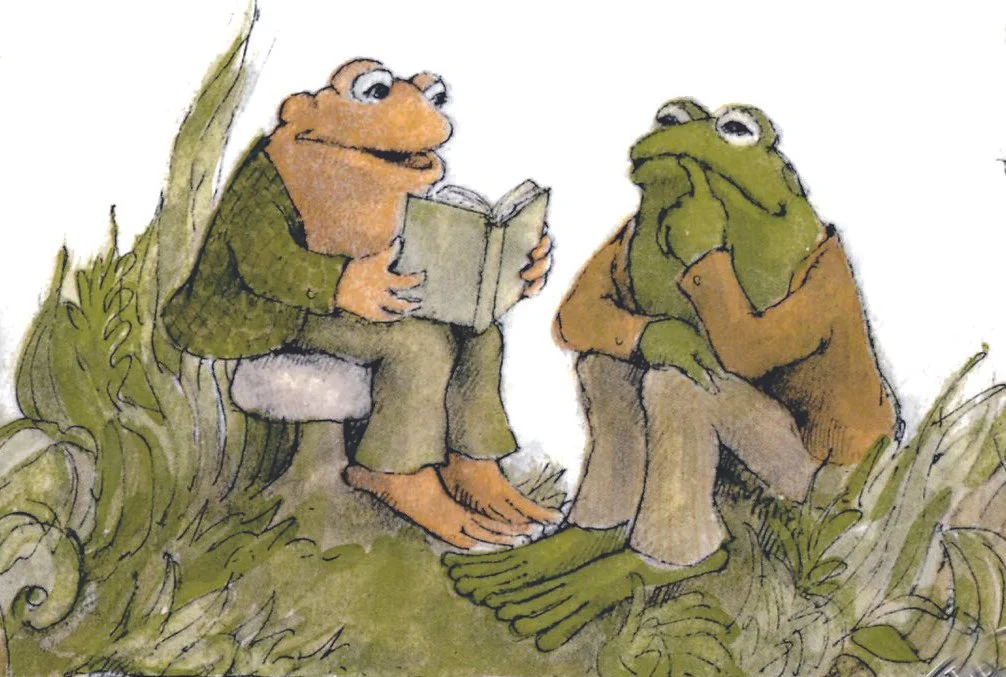
Frog and Toad is a series of easy-reader children's books, written and illustrated by American author Arnold Lobel.
’Tis the season of racing toward word counts, polishing final drafts, and setting ambitious—often impossible—New Year’s writing resolutions. Every December, writers look back at the goals they set on January 1st and feel the familiar pang of not having done quite enough. The pressure of the year coming to a close can feel strangely apocalyptic, as if the world itself is ending and the word count you didn’t hit is somehow the meteor responsible. It’s an exhausting headspace for anyone, let alone for those who rely on a nurtured imagination to create stories that matter.
This winter, I invite you to step out of the frantic swirl of productivity culture and take heart in the gentle wisdom of Arnold Lobel’s beloved series Frog and Toad. Many of us grew up adoring the amphibian best friends. And if you’re anything like me, you resonate deeply with their desire to do nothing more than take long walks in nature, eat cookies, write each other little notes, and occasionally refuse to get out of bed. Their world is unhurried, tender, and deeply rooted in a kind of cozy companionship that feels almost radical today.
For writers weighed down by stress, comparison, deadlines, and neck cramps from hours hunched over keyboards, the slow-living philosophy of Frog and Toad might be exactly what your creativity craves in 2026. Their stories remind us that a good life—and good writing—unfolds slowly, richly, and with great affection for the small things.
Below are a few Frog-and-Toad-inspired reflections to carry with you into the winter months.
Celebrate the Small Wins
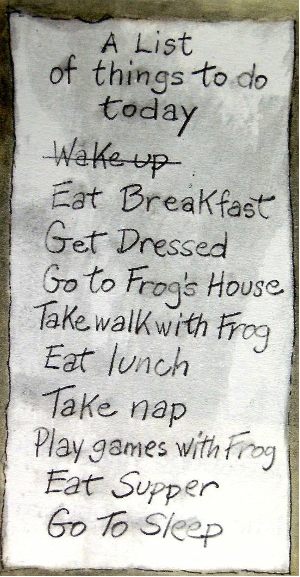
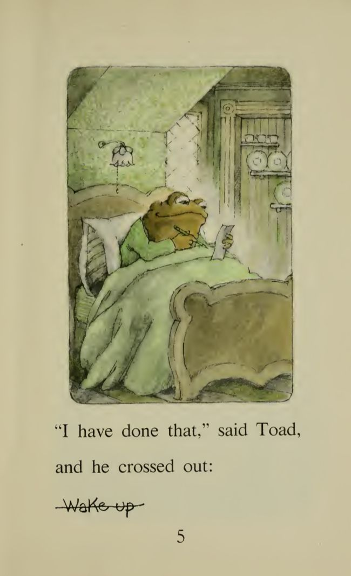
If there’s one character who embodies the joy of incremental progress, it’s Toad. He agonizes over his to-do lists, frets about losing control of his day, and often feels overwhelmed by his own expectations. And yet, when he does something—anything—he celebrates it wholeheartedly.
Writers often forget to celebrate the tiniest victories because we’re conditioned to focus only on the big milestones: finishing a draft, signing an agent, selling a book. But your creative life is made of the small, quiet steps you take along the way.
Did you write a single paragraph today? Cross it off triumphantly. Did you finally figure out why your protagonist is afraid of commitment? That’s a win. Did you revise a messy page, brainstorm a subplot, or even freewrite for ten minutes? Progress.
Reward yourself like Toad would: with a cookie, a nap, or the smug pleasure of checking something off a list. Each step forward is meaningful, even if no one sees it. Forward is forward.
Engage in Creative Self-Care
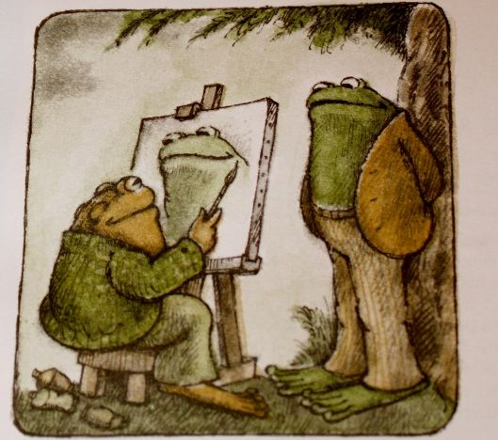
One of the most charming aspects of Frog and Toad is how deeply these characters care for themselves and each other. They rest. They daydream. They make space for wonder. They never apologize for having needs.
Writers, on the other hand, often treat their creativity like a stubborn mule that must be pushed, dragged, and disciplined. But creativity is more like a pond—it needs replenishment, stillness, and an occasional skipping stone.
One of the best things I ever did for my own writing was buying a notebook solely for the purpose of writing terribly in it. At first, I resisted journaling with every fiber of my being, as many writers do. But that messy notebook has become a sacred space where thoughts can land without needing to be polished. It’s a pressure-free zone, a playground for my subconscious.
Consider what creative self-care could look like in your life. Try sketching, photography, scrapbooking, collaging, embroidery, or shaping little creatures out of air-dry clay. These tactile practices help your mind loosen and your body reconnect with the joy of creating without judgment. The goal isn’t to be good. The goal is to remember how it feels to make something simply because it feels good to do so.
Embrace Quiet Afternoons
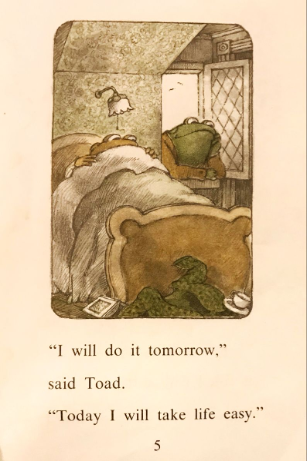
My favorite writing quote comes from Robert Hass: “It’s hell not writing and it’s hell writing; the only tolerable state is just having written.” Most writers know exactly what he means. The act of writing can feel both exhilarating and excruciating. And worse, the act of not writing can feel like guilt with a side of panic.
But research tells us that breaks—true breaks—actually boost creativity. Mind wandering invites your brain to reorganize ideas, form new connections, and untangle narrative knots you didn’t even realize were there.
This winter, try a Frog-and-Toad pause. Go for a slow walk with no destination. Notice the unremarkable things: the slush patterns on the sidewalk, the steam curling from chimneys, the way winter light looks like it’s exhaling. Sip a warm drink by a window. Stare into space. Doodle without purpose. Knit a lopsided scarf.
These quiet, ordinary moments aren’t wasted time. They are incubation chambers where imagination stretches its limbs. Writers are so often taught that stillness is the enemy of productivity, but Frog and Toad understand: stillness is sometimes the birthplace of the best ideas.
Nourish Your Body (and Eat Cookies)
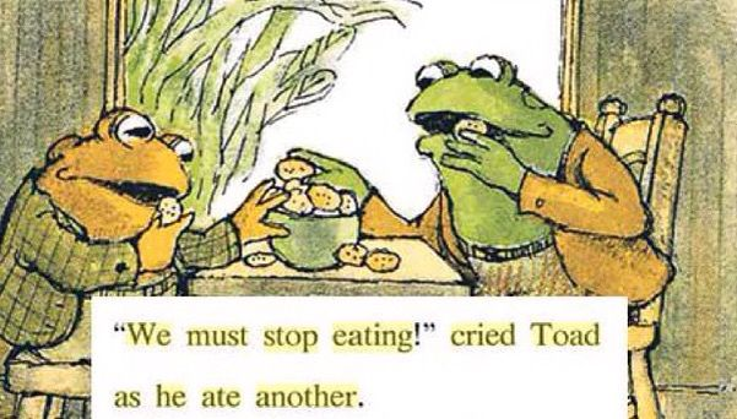
Frog and Toad understand the importance of enjoying the golden pleasures of life—especially cookies. Their food scenes are never about indulgence for indulgence’s sake; they’re about delight, companionship, and savoring sweetness.
Writers often push their bodies to the limit: late nights, skipped meals, too much caffeine, sore backs, clenched jaws. But your body is not peripheral to your writing life. It is your writing life. It holds the stories. It channels the imagination. It deserves care.
This winter, nourish yourself with warm, grounding meals. Drink water. Stretch. Sleep. Step away from your screen to breathe the cold air. And yes, bake cookies—or buy them, or steal them from a holiday party. Let yourself enjoy something delicious without apology. Creativity thrives in a well-fed, well-rested body.
Spend Time with Your Friends
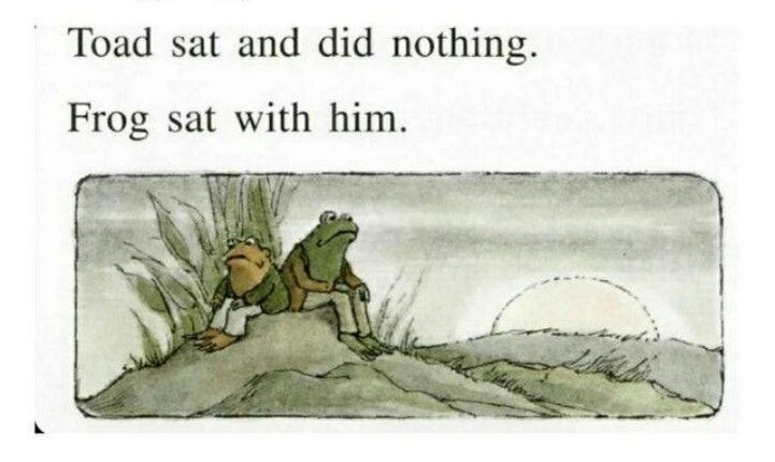
Frog and Toad’s friendship is the emotional core of Lobel’s books. They walk together, garden together, read together, and reassure each other through fears big and small. Their companionship reminds us that creativity is nurtured not only in solitude but in connection.
Winter can make writers want to retreat into cozy hibernation, wrapped in blankets with endless cups of tea. But the stories we write—and the lives we live—are enriched by the people who love us.
Make time for them. Share a meal, take a walk, call someone you’ve been missing. Let someone else’s laughter, warmth, and perspective refresh your spirit. Creativity flourishes in community. And besides, Frog and Toad would never want you to spend the entire winter alone in your writing burrow.
A Slow, Gentle Invitation for 2026
As the new year approaches, the temptation will be strong to make rigorous writing goals—to push yourself harder, faster, further. But consider this your gentle, amphibian-inspired permission slip to slow down.
Live simply. Write slowly. Celebrate small joys. Care for yourself with tenderness. Let your mind wander. Eat cookies. And spend time with the people who make your world feel a little less bleak and a lot more hopeful.
Frog and Toad may be fictional, but their lessons are real: creativity grows best in a life lived with intention, rest, and quiet wonder.
Here’s to a softer, slower, and more imaginative 2026.

Callan Louise Whitley is a recent Emerson College graduate and emerging author whose work reflects a passion for storytelling and literary craft. While completing her degree, she gained hands-on experience in the literary world through roles such as working at Parkside Bookshop and engaging deeply with publishing communities. Her writing—which includes the novella Meet Me at Harvest Moon—showcases her lyrical voice and keen insight into character and theme, and she is currently pursuing full-time opportunities in publishing in New York City as she continues to develop her career as a writer.